
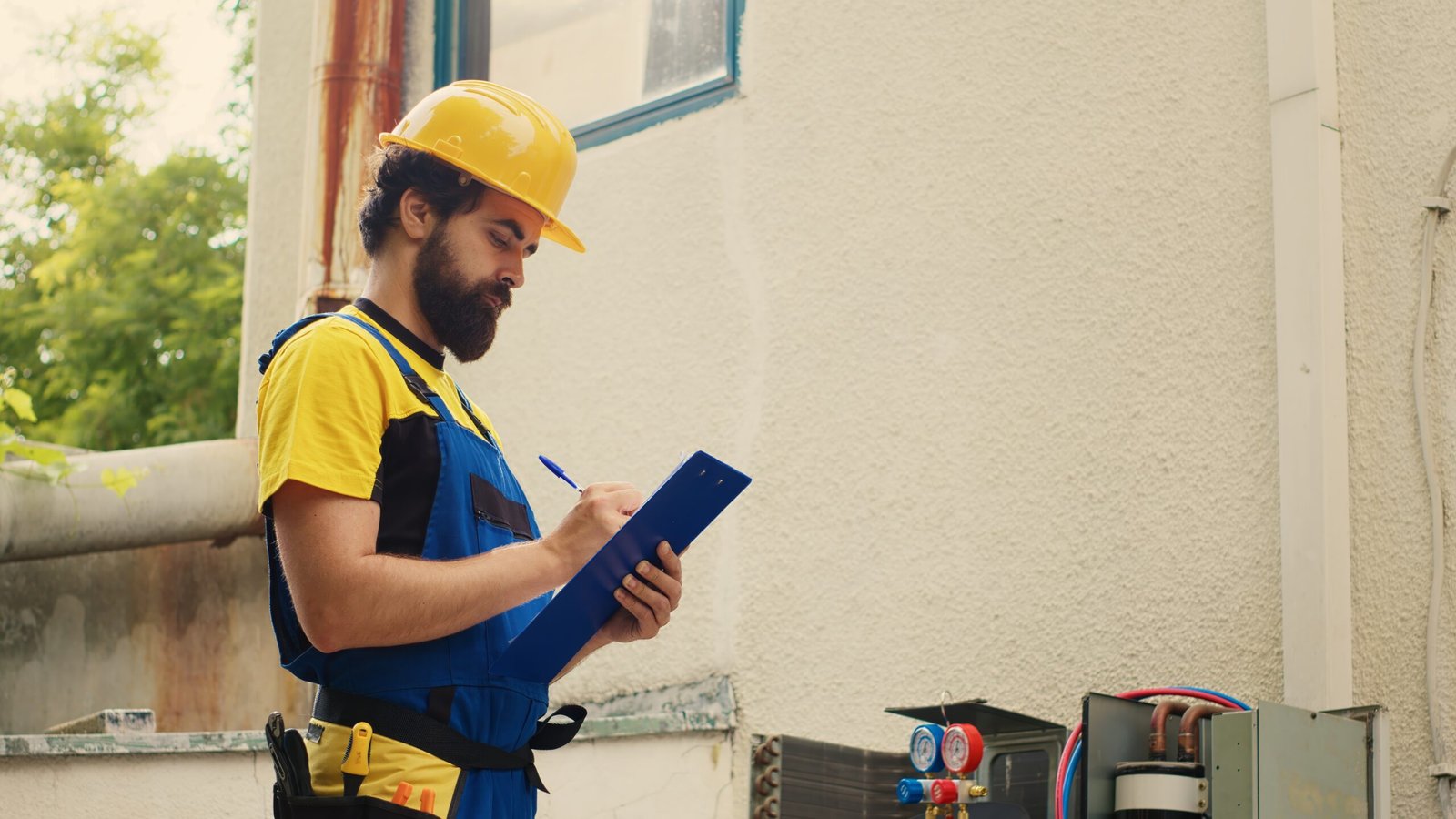
Electricity powers lighting, appliances, heating, cooling, security systems, and work devices. Most wiring stays hidden behind walls, so homeowners may not notice damage until a serious problem appears. Regular electrical inspections help find weak connections, overloaded circuits, damaged outlets, and outdated parts before they put the home at risk.
A licensed electrician checks the system and explains which repairs need attention. This improves safety and helps homeowners plan upgrades.
Finds Hidden Electrical Hazards
Electrical problems often develop where you cannot see them. Wires may loosen inside outlets. Cable covers may crack with age. Rodents may damage wiring in attics or basements. Moisture may reach electrical parts near kitchens, bathrooms, or outdoor spaces.
An electrician uses proper tools to check these areas safely. The inspection may uncover hot connections, poor grounding, damaged wiring, or unsafe changes from earlier work. Finding these issues early gives you time to fix them before they cause shocks, sparks, or power loss.
Reduces the Risk of Electrical Fires
Loose connections and overloaded circuits can create excess heat. That heat may damage wire covers and nearby materials. Old panels may also struggle when a home uses several modern appliances at once.
During an inspection, the electrician checks the panel, breakers, wiring, outlets, and connections. They look for burn marks, heat damage, buzzing sounds, and unsafe loads. The electrician may recommend a repair, new circuit, or panel upgrade when the system cannot support the home’s needs.
Protects Your Family From Electric Shock
A damaged outlet or poor ground connection can expose family members to electric shock. The risk rises in wet areas because water allows electricity to travel more easily. Bathrooms, kitchens, garages, laundry rooms, and outdoor spaces need safety outlets and correct grounding.
An electrician tests these devices and confirms that they cut power when a fault occurs. They also check switches, plugs, fixtures, and exposed wiring. These checks help protect everyone from unsafe electrical parts.
Prevents Damage to Appliances and Devices
Poor wiring can affect the power that reaches your appliances. Loose connections, voltage changes, and overloaded circuits may place stress on refrigerators, televisions, computers, air conditioners, and kitchen equipment. Over time, that stress can shorten their life or cause sudden failure.
A regular inspection helps identify unstable power. The electrician can tighten connections, repair damaged circuits, or recommend surge protection. These steps give appliances a safer power supply.
Helps Older Homes Meet Modern Demands
Older homes often have electrical systems that served fewer appliances. Today, families use televisions, computers, chargers, air conditioners, electric cooking equipment, and other high demand devices. An older panel or limited wiring may not handle this load safely.
An inspection shows whether the system can support use. The electrician may suggest dedicated circuits or upgrades for outdated wiring. Homeowners who plan improvements can also use a home renovation checklist to organize electrical checks before new walls or finishes cover important areas.
Supports Safe Home Renovations
Renovation work often changes lighting, outlets, appliances, and room layouts. A new kitchen may need extra circuits. A finished basement may require more outlets and safe lighting. An added room may place a larger load on the panel.
An inspection before work starts helps the contractor plan correctly. Another check after the work confirms that connections, breakers, outlets, and fixtures work as intended. This approach reduces delays and keeps unsafe wiring out of finished walls.
Identifies Warning Signs Before a Breakdown
Homeowners should never ignore flickering lights, warm outlets, burning smells, buzzing sounds, frequent breaker trips, or small shocks from appliances. These signs may point to loose wiring, excess demand, or damaged parts.
An inspection finds the cause instead of covering the symptom. Replacing a breaker will not solve an overloaded circuit if it carries too many devices. A trained electrician traces the issue and recommends the right repair.
Helps Control Repair Costs
Small electrical faults often cost less to repair than major damage. A loose outlet may need a simple connection repair. If the connection keeps heating, it may damage the outlet, wiring, wall, and appliance.
Routine inspections help you handle repairs in order of urgency. The electrician can explain immediate safety concerns, future upgrades, and optional improvements. This information helps you build a realistic budget and avoid emergency costs.
When Should You Schedule an Inspection?
Schedule an inspection when you buy an older home, plan a major renovation, add large appliances, or notice warning signs. You should also arrange one after flooding, storm damage, pest activity, or unapproved electrical work.
Homes with old wiring, repeated breaker problems, or heavy power use may need checks more often. A licensed electrician can suggest a schedule based on the system’s age, condition, and daily load.
Final Thoughts
Regular electrical inspections protect your home by finding hidden faults before they grow. They lower fire and shock risks, support appliances, guide renovations, and reduce unexpected repair costs. Do not wait for smoke, sparks, or a full power failure. A professional inspection helps keep the electrical system safe, stable, and ready for daily use.