
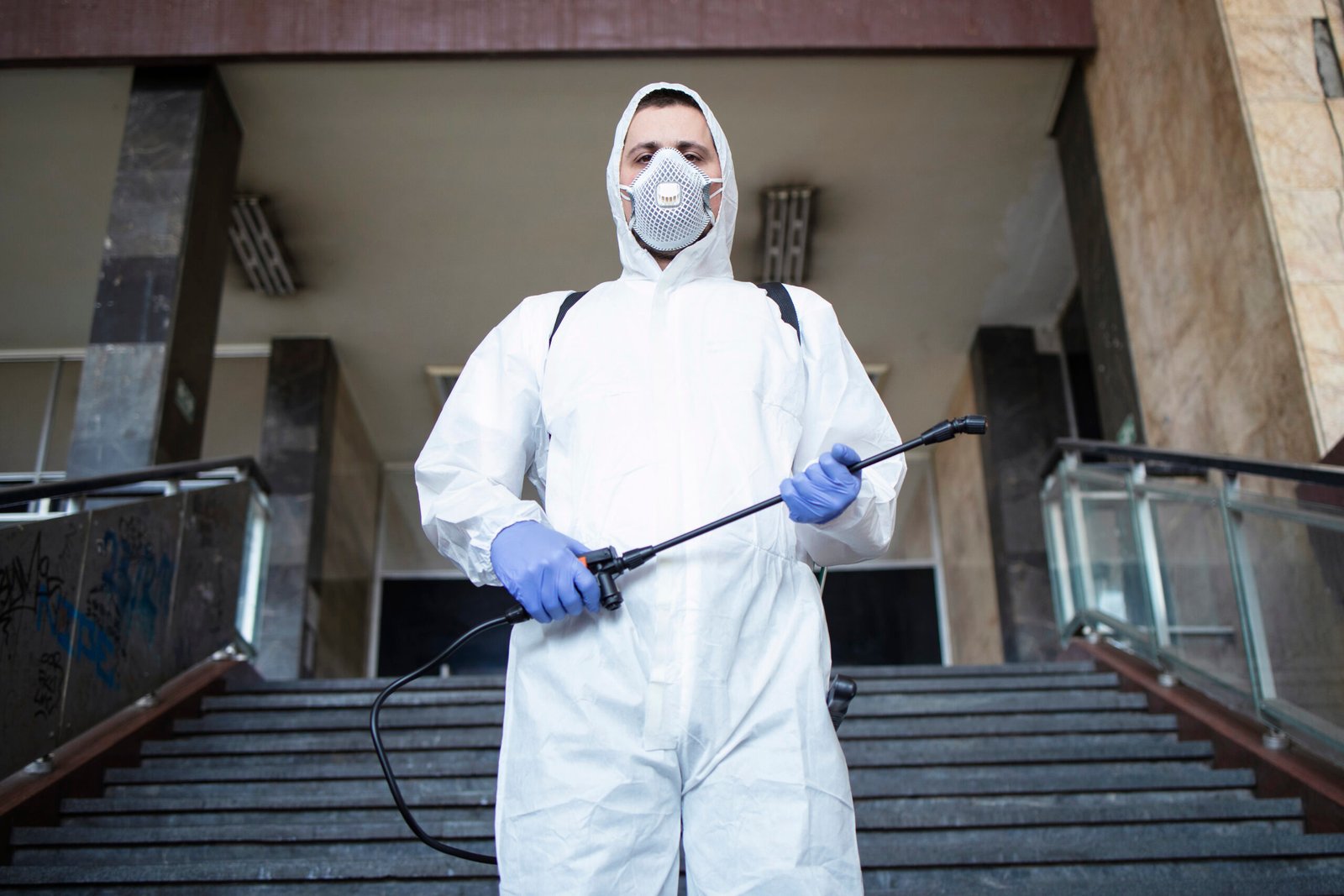
A Complete Guide to Professional Pest Control Services
Pests can enter a property through cracks, vents, drains, roof gaps, or damaged screens. Once inside, they may contaminate food and damage materials. Home remedies may remove visible pests, but they often leave nests, eggs, and entry points untouched. Professional pest control services identify the cause and create a suitable treatment plan.
What Professional Pest Control Services Include
A professional service usually starts with a detailed inspection. The technician checks kitchens, bathrooms, storage areas, attics, garages, and outdoor spaces. They look for droppings, nests, damaged wood, eggs, and live pests.
The technician also checks how pests enter the building. Common access points include gaps around pipes, loose door seals, damaged vents, and wall cracks. This inspection helps the technician choose the right method.
After the inspection, the company explains the pest type, the size of the problem, and the recommended steps. A plan may include traps, baits, targeted sprays, sealing work, and follow-up visits.
Common Pests That Professionals Handle
Pest control companies manage ants, cockroaches, bed bugs, rodents, termites, fleas, ticks, wasps, spiders, mosquitoes, and flies. Each pest follows different habits and hides in different places.
Rodents enter through small openings and chew wires, packaging, insulation, and wood. Termites feed on wood and may weaken a building before the owner notices damage. Bed bugs stay close to beds, furniture, and fabric seams.
Each pest needs a different method. A treatment that controls ants may not work against bed bugs or termites. Correct identification saves time and reduces unnecessary product use.
How the Treatment Process Works
The technician prepares a treatment plan after the inspection. They may place gel baits in cracks, set traps along travel paths, apply products to active areas, or remove a visible nest.
Professionals often combine several methods. This approach targets the current infestation and lowers the chance of another one. The technician may ask the owner to repair leaks, remove clutter, store food in closed containers, or cut plants away from exterior walls.
Some treatments require residents and pets to leave for a set period. The technician should explain preparation steps, ventilation, cleaning, and safe re-entry.
Why Professional Service Works Better
Store products may help with a small problem, but incorrect use can spread pests into new areas. Some insects move away from strong sprays and hide deeper inside walls.
A trained technician understands pest habits, breeding cycles, and hiding places. They use suitable tools and apply products in controlled amounts. They focus on the source rather than the pests seen in open areas.
Professional service can also prevent hidden damage. Early termite control may reduce wood repairs. Fast rodent removal may protect electrical wires and insulation. Careful treatment can lower contamination risks in kitchens.
How to Prepare for a Pest Control Visit
Good preparation helps the technician inspect and treat the property. Clean food crumbs, empty rubbish bins, and store open food before the visit. Move furniture away from walls when the company asks for access. Clear items from under sinks or affected rooms.
Wash pet bowls and place pet food in sealed containers. Tell the technician about children, pets, allergies, pregnancy, or health concerns before treatment.
Home repairs also support pest prevention. Sealing cracks, replacing worn screens, and fixing moisture problems can block entry routes. Property owners planning wider repairs can use this home renovation checklist for homeowners to organise maintenance tasks that may reduce pest access.
What Happens After Treatment
Pest activity may not stop at once. Some baits take time because pests carry the product back to the nest. You may notice more insects for a short period as treatment moves them out of hiding areas.
Follow the aftercare instructions. Do not clean treated cracks or bait areas unless the technician says it is safe. Remove dead pests, keep food areas clean, and watch for new activity.
Some infestations need more than one visit. Bed bugs, termites, cockroaches, and rodents often require monitoring and follow-up treatment. A reliable company should explain the timeline and tell you when to report fresh signs.
How to Choose a Reliable Pest Control Company
Check whether the company holds the required licence and insurance for your area. Ask about technician training, treatment methods, safety steps, and guarantees. The company should provide a written quote that explains the service, visits, products, and total cost.
Do not choose a company only because it offers the lowest price. Compare its inspection, service details, reviews, and follow-up support. A trustworthy provider answers questions clearly.
Final Thoughts
Professional pest control services offer more than a quick spray. They inspect the property, identify the pest, find entry points, choose suitable methods, and monitor the results. They also give practical advice that helps owners prevent another infestation.
Contact a qualified professional when you notice repeated activity, droppings, damaged materials, nests, unusual smells, or scratching sounds. Early action can protect your property, food, comfort, and daily routine.