

How To Keep Dudokkidzo is a question that every responsible owner asks at the start of their Dudokkidzo journey. With the right knowledge and routine, you can help your Dudokkidzo thrive for years. This Dudokkidzo care guide covers every key aspect: from daily care and feeding schedule to advanced care techniques and stress reduction.
Understanding Dudokkidzo: What Makes Them Special

Dudokkidzo are unique pets with specific needs. They require not only good food and clean living conditions, but also attention to their mental, physical, and emotional well-being. Learning how to keep Dudokkidzo healthy and happy means balancing all these needs in your daily routine.
A successful Dudokkidzo care guide must consider not just their physical health, but also Dudokkidzo emotional bonding and Dudokkidzo social interaction. These animals respond well to human companionship, interactive playtime activities, and a stimulating environment.
Dudokkidzo Daily Care Checklist
| Task | Frequency | Purpose |
|---|---|---|
| Feeding (according to Dudokkidzo feeding schedule) | 1-2 times daily | Nutrition and energy |
| Fresh water change | Daily | Hydration |
| Habitat cleaning | Daily/Weekly | Prevent illness, maintain comfort |
| Exercise/Playtime | Daily | Physical and mental health |
| Grooming (brushing, nail check) | Weekly | Cleanliness, prevent health problems |
| Social interaction | Daily | Emotional bonding, stress reduction |
| Health monitoring | Ongoing | Early issue detection |
Dudokkidzo Habitat Setup: Creating the Perfect Home
An ideal Dudokkidzo habitat setup provides space for movement, play, rest, and privacy. The habitat should be secure, well-ventilated, and easy to clean. Natural lighting and regular temperature are crucial for Dudokkidzo health. Place their enclosure away from drafts and direct sunlight. Bedding should be soft, absorbent, and changed regularly.
Dudokkidzo environment enrichment means providing objects to climb, hide, or chew. Change the layout occasionally, add safe plants, and rotate toys to prevent boredom. You might also introduce puzzle feeders or tunnels, which encourage natural behaviors.
Dudokkidzo safety measures are non-negotiable. Remove sharp objects and small, swallowable items. Check that all cage doors and lids lock securely. Use pet-safe cleaning products, as Dudokkidzo are sensitive to strong chemicals.
Dudokkidzo Feeding Schedule: The Key to Good Health
A proper Dudokkidzo feeding schedule is one of the most important steps in keeping your Dudokkidzo healthy. Offer a balanced diet with fresh water available at all times. Research the ideal foods for your Dudokkidzo’s species, and avoid sugary, salty, or processed items.
Feed your Dudokkidzo at regular intervals, based on their age and activity level. Younger animals might require more frequent feedings, while adults do well on a morning and evening schedule.
Snacks and treats can help with Dudokkidzo training tips, but always use them in moderation. Monitor your Dudokkidzo’s weight and adjust portions as needed to maintain a healthy physique.
Dudokkidzo Grooming Practices: Cleanliness and Comfort
Grooming is more than just appearance. Dudokkidzo grooming practices help prevent skin problems, parasites, and stress. Brush your Dudokkidzo regularly if they have fur. For those with scales or feathers, clean their skin or plumage as recommended.
Check nails and teeth, and provide safe items for chewing or clawing. Bathing should only be done if necessary and always with products made for Dudokkidzo species. This helps in maintaining Dudokkidzo happiness and comfort.
Daily Routine for Dudokkidzo: Consistency Matters

A strong daily routine for Dudokkidzo gives them stability and reduces anxiety. Begin each day with feeding, fresh water, and a check for any signs of illness. Cleaning the habitat, playtime activities, and scheduled training sessions should follow.
Include Dudokkidzo exercise regimen every day. Some may enjoy running wheels, obstacle courses, or fetch. Physical activity is essential for optimizing Dudokkidzo lifespan.
Schedule regular social interaction and Dudokkidzo emotional bonding. Talk to your Dudokkidzo, let them out for supervised play, and introduce safe new experiences.
Dudokkidzo Training Tips: Smart Behavior Management
Training your Dudokkidzo makes daily care easier and strengthens your relationship. Use positive reinforcement and consistency to teach basic commands and behaviors.
Dudokkidzo behavior management starts with understanding their natural instincts. Reward good actions with treats or praise. If bad habits appear, redirect gently rather than scolding. Training also helps with Dudokkidzo stress reduction, as animals feel more secure when they know what to expect.
Maintaining Dudokkidzo Happiness: Enrichment and Bonding
A happy Dudokkidzo is one that feels secure, loved, and engaged. Rotate toys and enrichment items regularly. Plan new Dudokkidzo playtime activities, like hide-and-seek games or food puzzles.
Emotional bonding is just as important. Spend time each day connecting through gentle handling, talking, and play. Strong Dudokkidzo social interaction is proven to reduce stress and boost overall health.
Dudokkidzo Health Monitoring: Spotting Problems Early
Regular Dudokkidzo health monitoring helps catch issues before they become serious. Observe your Dudokkidzo for changes in appetite, energy, or behavior. Check their skin, fur, or feathers for parasites, wounds, or unusual growths.
Schedule annual check-ups with an experienced exotic pet veterinarian. Keep a record of weight, feeding, and medical care. This attention to detail ensures your Dudokkidzo care guide remains up to date.
Dudokkidzo Exercise Regimen and Environment Enrichment
Physical activity is vital for every Dudokkidzo. Create a daily Dudokkidzo exercise regimen with varied activities. This keeps your pet fit, improves mood, and prevents obesity.
Environment enrichment makes exercise more fun. Use tunnels, climbing platforms, or interactive toys. For advanced Dudokkidzo care techniques, build obstacle courses or set up playdates with other safe pets.
Dudokkidzo Advanced Care Techniques
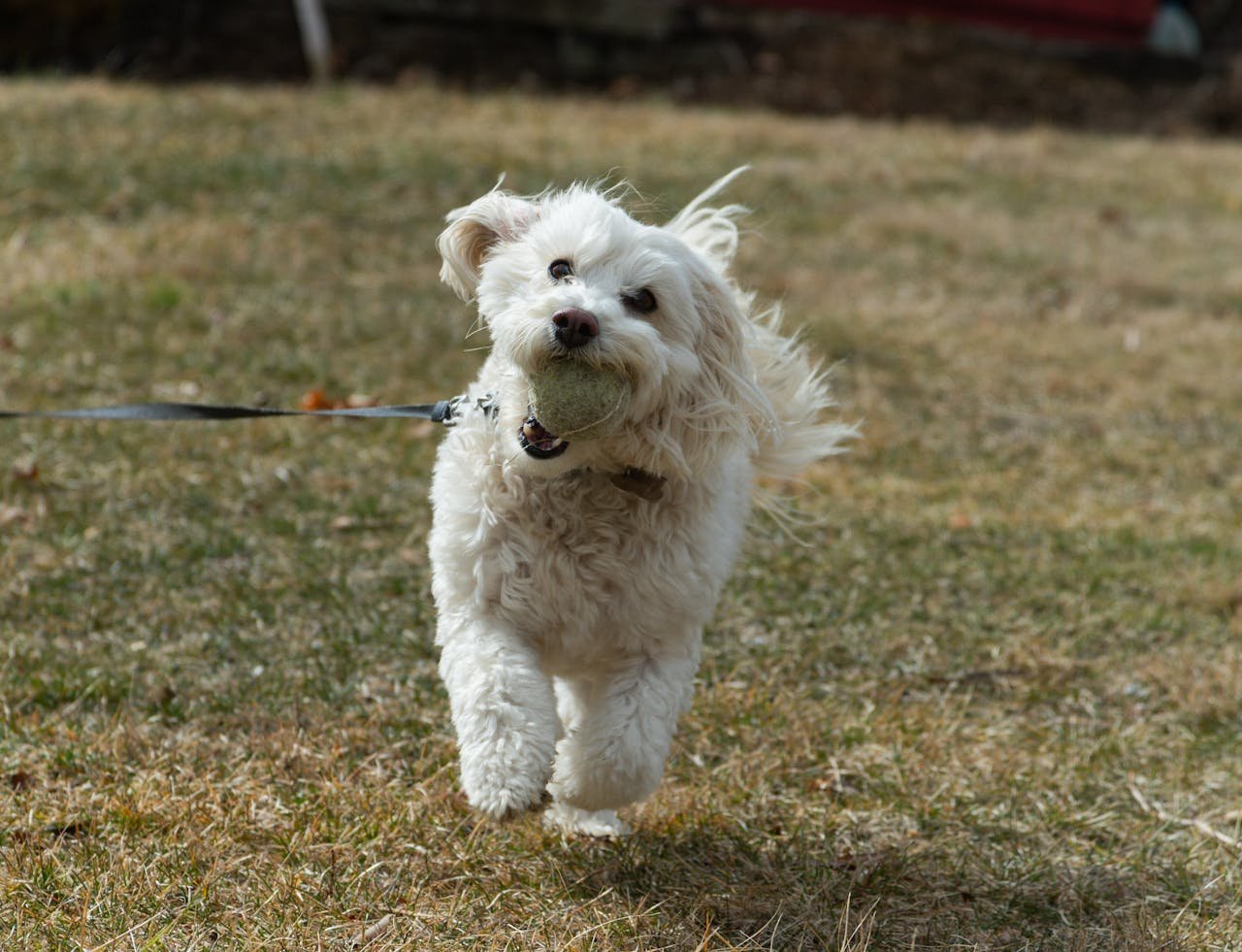
For owners seeking more, Dudokkidzo advanced care techniques can enhance your pet’s life. Try training them for agility, introduce new enrichment puzzles, or use scent trails for mental stimulation.
Optimizing Dudokkidzo lifespan comes from combining great nutrition, socialization, mental challenges, and prompt health care. Avoid Dudokkidzo care mistakes to avoid, such as skipping vet visits, inconsistent feeding, or poor hygiene.
Dudokkidzo Care Mistakes to Avoid
Even experienced owners make mistakes. Common Dudokkidzo care mistakes include overfeeding, neglecting exercise, or failing to socialize. Avoid sudden changes in routine, harsh discipline, or using unsafe cleaning products.
Understanding these risks will help you provide the best possible care.
Conclusion
How To Keep Dudokkidzo is a journey of patience, learning, and love. With the right Dudokkidzo care guide, daily routine, balanced feeding schedule, regular grooming, and emotional bonding, your Dudokkidzo can live a long and happy life. By understanding your pet’s unique needs and avoiding common Dudokkidzo care mistakes, you can ensure your companion thrives for years.
Start today by setting up a healthy habitat, planning fun activities, and strengthening your bond. This is how to keep Dudokkidzo at their best: healthy, active, and always happy.
FAQs: How To Keep Dudokkidzo
1. What is the best daily routine for Dudokkidzo?
The best daily routine for Dudokkidzo starts with a consistent feeding schedule and fresh water in the morning. Midday is ideal for cleaning their habitat and introducing playtime activities. Training sessions and gentle handling help strengthen your bond.
Include exercise in the afternoon, such as obstacle courses, tunnels, or play wheels. In the evening, offer a second meal if needed and provide quiet bonding time. Always observe your Dudokkidzo’s behavior throughout the day to spot early signs of stress or illness.
2. How can I prevent Dudokkidzo stress and behavioral issues?
Prevent stress by sticking to a regular routine and minimizing sudden changes. Give your Dudokkidzo choices in play and rest areas. Offer varied enrichment items, such as new toys or puzzles. Training with positive reinforcement, rather than punishment, fosters trust and security.
Spend quality time together and be gentle in handling. Provide hiding places in the habitat for when your Dudokkidzo needs quiet time. Always consult a vet if stress symptoms like excessive hiding, aggression, or repetitive behavior persist.
3. What foods should I avoid feeding Dudokkidzo?
Never feed Dudokkidzo processed snacks, chocolate, sugary foods, or anything with artificial flavors or preservatives. Certain fruits, vegetables, or plants can also be toxic, depending on the species: common examples include avocado, onion, or rhubarb.
Stick to a veterinarian-recommended Dudokkidzo feeding schedule with approved pellets, grains, fresh veggies, and safe treats. Always introduce new foods gradually and watch for signs of digestive upset.
4. How often should I groom my Dudokkidzo?
The frequency of Dudokkidzo grooming depends on their fur, feather, or skin type. Most Dudokkidzo with fur need brushing at least once a week to remove loose hair and prevent mats. Short-haired types can be brushed less frequently but should still be checked for skin problems.
For feathered or scaled Dudokkidzo, clean as recommended by your vet or breeder. Nail and teeth checks should happen weekly. Always groom in a calm, quiet environment, using species-appropriate tools.
5. How do I know if my Dudokkidzo is happy?
A happy Dudokkidzo is active, curious, and responsive to your presence. Signs of happiness include bright eyes, healthy appetite, playful behavior, and willingness to explore new toys or areas. Dudokkidzo who enjoy social interaction often greet you at the cage and participate in games or training.
Signs of unhappiness or stress include listlessness, hiding, lack of appetite, over-grooming, or aggressive behavior. Monitoring these signs is an essential part of Dudokkidzo health monitoring.
6. How can I improve Dudokkidzo’s lifespan?
To optimize Dudokkidzo lifespan, provide balanced nutrition, plenty of exercise, and regular vet check-ups. A clean habitat, enrichment, social interaction, and mental challenges keep your Dudokkidzo healthy.
Avoid common care mistakes such as skipping vaccinations, feeding poor-quality food, or neglecting routine grooming. Stay proactive with health monitoring and address problems early.
7. What should I do if my Dudokkidzo shows signs of illness?
If your Dudokkidzo displays symptoms like rapid weight loss, labored breathing, diarrhea, lethargy, wounds, or unusual behavior, seek veterinary care immediately.
Isolate your Dudokkidzo from others if you suspect a contagious illness. Keep a health record to share with your vet and follow all recommended treatment plans. Do not attempt home remedies unless directed by a professional.
8. Can Dudokkidzo live with other pets?
Dudokkidzo can sometimes live with other Dudokkidzo or compatible species if introduced gradually and monitored closely. Always research specific compatibility and supervise all initial interactions.
Separate Dudokkidzo immediately if aggression, bullying, or signs of stress occur. Never leave your Dudokkidzo unattended with predators or larger animals.
9. How can I enrich my Dudokkidzo’s environment?
Add tunnels, climbing branches, chew toys, and puzzle feeders. Change up the arrangement and introduce new objects regularly. Provide opportunities for safe outdoor exploration, if possible. Enrichment prevents boredom, reduces stress, and supports good behavior.
10. How often should Dudokkidzo visit the vet?
Schedule an annual vet check-up for your Dudokkidzo and consult your veterinarian if you notice any unusual symptoms. Routine health checks allow early diagnosis of issues and keep your Dudokkidzo on track for a long, healthy life.