
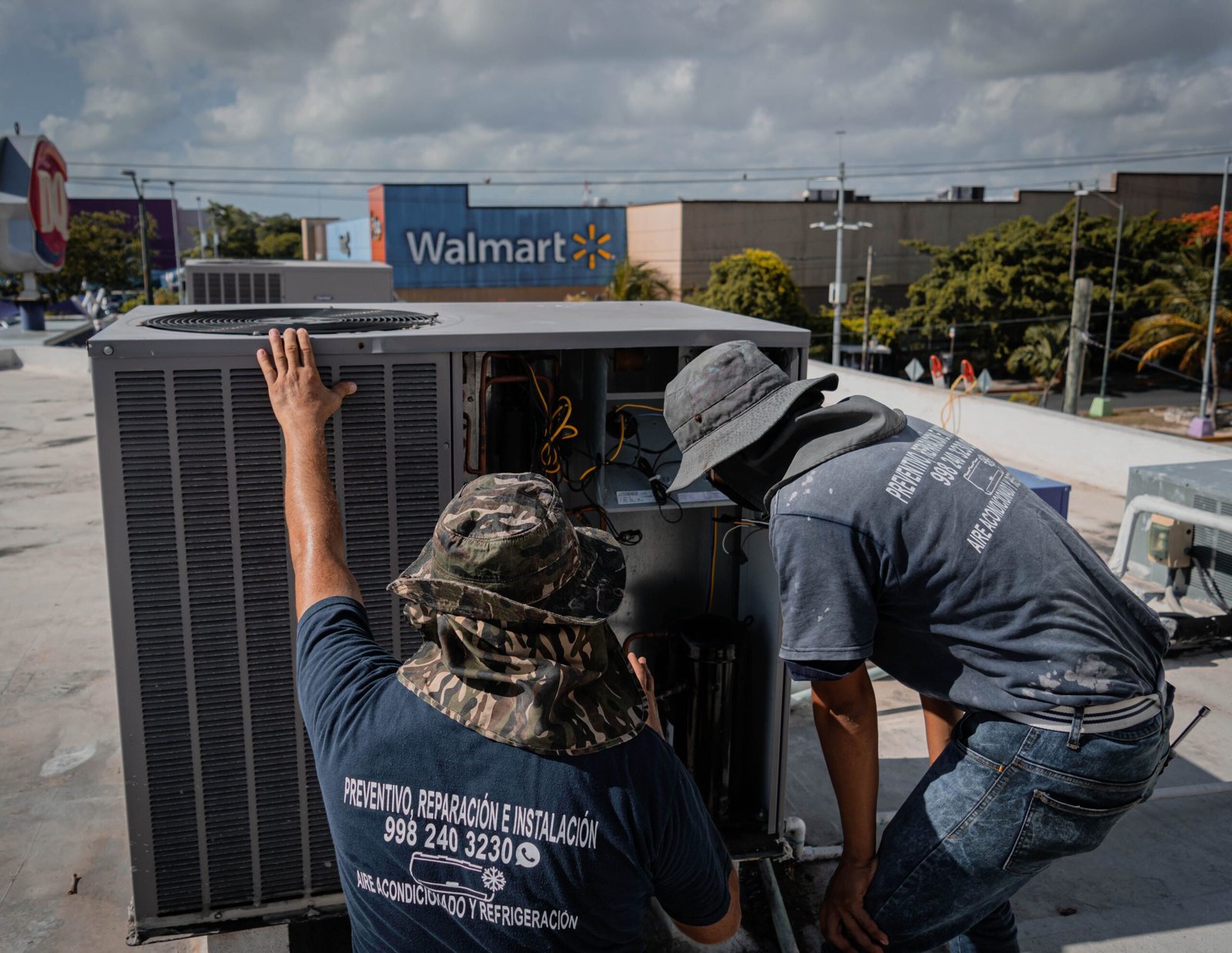
Your heating and cooling system works for long hours throughout the year. Dust, loose parts, blocked drains, and normal wear can slowly affect its , cleans important parts, and finds small concerns before they grow.
Knowing what happens during the visit helps you prepare and understand the service. The exact steps may vary by system type, age, and condition, but most appointments follow a clear process.
A Discussion About System Performance
The technician usually starts by asking how the system has performed. You should mention weak airflow, unusual sounds, uneven temperatures, strange smells, higher energy use, or frequent cycling.
These details help the technician focus on possible trouble areas. You should also explain any repairs or changes made since the last service. Clear information can make the inspection more useful.
A Full Visual Inspection
The technician will inspect the indoor and outdoor equipment for visible damage, dirt, corrosion, leaks, and loose parts. They may check the furnace, air handler, heat pump, condenser, drain pan, pipes, wiring, and accessible duct connections.
They will also look for blocked airflow around the outdoor unit. Leaves, grass, and dirt can limit air movement. The technician may remove light debris and explain whether the unit needs deeper cleaning.
Air Filter and Airflow Checks
A dirty filter can restrict airflow and make the system work harder. The technician will inspect the filter and replace it when the service includes a new one. They may also suggest the correct filter size and type.
The technician can check supply vents, return vents, blower parts, and duct connections. Proper airflow helps the system heat or cool rooms evenly and reduces extra strain on the blower motor.
Cleaning Important Components
Professional maintenance includes cleaning parts that collect dust and debris. The technician may clean the condenser coil, evaporator coil, blower area, burner assembly, drain pan, and other accessible sections.
Clean coils transfer heat better, while a clean blower moves air more freely. Clean burner parts also support steady furnace operation.
Heavy buildup may require a separate cleaning service. The technician should explain any extra work and cost before starting it.
Thermostat, Electrical, and Safety Tests
The technician will test the thermostat settings, temperature reading, wiring, and response. They may adjust it when the reading does not match the room temperature. They can also review schedules on a smart or programmable thermostat.
The technician will inspect electrical connections, motors, switches, belts, capacitors, and safety controls. They may tighten connections, test controls, and check motor performance.
For a heating system, they may inspect the burner, ignition system, heat exchanger, flue, and other safety parts. These checks help identify problems that could affect safe operation.
Refrigerant and Drainage Inspection
Cooling systems need the correct refrigerant level. The technician may check pressure and look for signs of a leak. Low refrigerant can reduce cooling and may point to a problem that needs repair.
The technician will also inspect the condensate drain line and drain pan. Dirt or algae can block the drain and cause water to collect near the unit. Clearing a small blockage can help prevent leaks and moisture damage.
Heating and Cooling Performance Tests
After the inspection and cleaning, the technician will run the system. They will listen for unusual sounds and watch how the equipment starts, operates, and shuts down.
They may measure the temperature difference between supply and return air. They may also check electrical readings, pressure, airflow, and cycling performance.
These tests show whether the system works within a normal range. They also help confirm that the completed adjustments improved operation.
Homes with heat pumps may need checks in both heating and cooling modes. Homeowners can read this guide to understanding heat pumps and their role in home comfort.
A Clear Service Report
At the end of the visit, the technician should explain what they checked, cleaned, adjusted, or replaced. They should also describe any problems they found.
A professional should separate urgent repairs from optional improvements. They should provide clear prices before starting work outside the original maintenance service.
Ask for a written report or digital record. This record can help you track repeated issues, plan future repairs, and confirm regular maintenance.
How to Prepare for the Visit
Clear the area around the indoor and outdoor units before the technician arrives. Remove furniture, plants, boxes, or tools that may block access.
Make sure the technician can reach the thermostat, electrical panel, furnace, air handler, and outdoor unit. Secure pets and write down any concerns you want to discuss. Past service records can also provide useful details about earlier repairs.
Final Thoughts
A professional HVAC maintenance service involves more than a quick check. The technician inspects, cleans, tests, and adjusts key parts of the system. They also explain current problems and help you plan future care.
Regular service can support steady airflow, reliable comfort, safe operation, and better performance. It also gives you a clear picture of your equipment’s condition before the busiest heating or cooling season begins.